
Blue Hawk Energy Solutions - Comprehensive FAQ
About Blue Hawk Energy Solutions
What makes Blue Hawk different from other Bitcoin mining companies?
- Fiduciary Commitment: We act exclusively in your best interests, not as equipment salespeople
- Multi-Vertical Expertise: We serve oil & gas companies, professionals, and SMBs with tailored solutions
- Tax-Focused Approach: Our solutions maximize legitimate tax advantages while generating superior Bitcoin returns
- Complete Transparency: All fees disclosed upfront with no hidden markups or commissions
Who is Blue Hawk Energy Solutions?
We are the premier resource for Bitcoin mining solutions, specializing in converting stranded energy from oil & gas operations into profitable Bitcoin mining. Our mission is to simplify Bitcoin mining investment, empowering a new generation of miners through comprehensive training, guidance, and support.
Getting Started & Investment Options
Why should I mine Bitcoin instead of just buying it?
Mining Bitcoin provides two distinct advantages over direct investment:
- 150% better returns over 3 years and 266% better returns over 5 years compared to buying Bitcoin directly
- Immediate tax benefits through equipment depreciation (Section 179/bonus depreciation)
- Below-market Bitcoin acquisition – you’re mining Bitcoin at 60-70% of purchase price
- Passive income generation with professional management
What are my investment options?
We offer four main solutions:
1. Client-Owned Crypto Mining (High-net-worth individuals)
- Fully managed operations that reduce tax obligations
- Equipment ownership for maximum tax benefits
- $500K-$3M investment levels
2. Gas Mitigation Services (Oil & gas companies)
- Convert flare gas into revenue via Bitcoin mining
- Environmental compliance and cost savings
- Custom engineering and installation
3. Turn-Key Mining Solutions (Professionals)
- Hassle-free Bitcoin mining for doctors, lawyers, dentists
- Alternative to buying and holding crypto
- $100K-$500K typical investment range
4. Load Balance Solutions (SMBs)
- Generate additional revenue from unused electrical capacity
- $50K-$200K investment depending on available capacity
What's the minimum investment required?
Our minimum engagement is $50,000 for smaller projects, with most comprehensive solutions starting at $100,000. Large-scale oil & gas projects typically range from $1M-$3M.

Oil & Gas Solutions
How does flare gas Bitcoin mining work?
How does flare gas Bitcoin mining work?
Instead of burning waste gas in a flare, we capture it and use natural gas generators to produce electricity for Bitcoin mining operations. This turns an environmental liability into a profit center.
What are the benefits for oil & gas companies?
- Monetize waste: Convert $1.17 billion in annually flared gas into revenue
- Environmental compliance: Reduce emissions and meet ESG goals
- Cost savings: Avoid flaring penalties and compliance costs
- New revenue streams: Generate $500K-$2M+ annually from previously wasted gas
- Zero infrastructure required: No pipelines or processing facilities needed
What gas composition can you work with?
Our systems handle a wide range of gas compositions:
- BTU Content: 400-2,350 BTU/scf (pipeline quality ~1,000 BTU/scf preferred)
- H₂S Tolerance: We provide gas treatment for sour gas up to moderate levels
- Moisture Handling: Dehydration systems remove water vapor
- Pressure Requirements: Systems work with low-pressure wellhead gas
How much power can one well support?
- Rule of thumb: ~75 MCF/day of gas generates roughly 200 kW of power
- Typical range: 50 kW to 2+ MW depending on well production
- Modular scaling: Multiple containers can be deployed as gas volume increases
What maintenance is required?
- Generator maintenance: Oil changes every 100-200 hours, spark plugs every 200 hours
- Remote monitoring: 24/7 oversight with automated alerts
- Site visits: Bi-weekly inspections by qualified technicians
- We handle everything: Complete maintenance included in our service
Cost & Financial Considerations
Q: What are the initial capital costs for setting up a mobile Bitcoin mining operation on an oil & gas site?
A: Initial capital costs include all the upfront investments needed to get a mobile mining unit up and running at an oil or gas well. Key components of these costs are:
Mining Container or Data Center: A prefabricated shipping container-based mining center (often with built-in racks, cooling fans, and electrical wiring) is typically used to house and run the ASIC miners in the field. Prices vary by size and capacity – for example, a 10-foot container holding ~96 miners might cost around $60,000, while a 40-foot container for 300+ miners can cost on the order of $140,000–$160,000. These containers are ruggedized to withstand harsh outdoor conditions (heat, cold, dust) and include power distribution units, ventilation, and mounting for miners.
ASIC Miners: The Bitcoin mining machines themselves (ASICs) are a major capital expense. High-performance miners (like the Bitmain Antminer or similar) each can cost several thousand dollars – top-of-the-line models often run over $15,000 USD per unit. For a sizable deployment (e.g. 1 MW operation with a few hundred miners), the total cost for ASIC hardware can easily reach hundreds of thousands to millions of dollars.
Generator and Power Equipment: Because these sites are off-grid, you need an on-site generator (usually natural gas or diesel) to convert well gas into electricity. A natural gas generator sized for ~1 MW can range roughly around $1,000–$1,200 per kW installed (i.e. on the order of $1 million+ for a 1 MW unit) depending on specifications. However, many operations use refurbished or used generators from the oil industry at much lower cost, or even lease them.
Electrical Infrastructure & Wiring: Heavy-duty copper cables are needed to carry power from the generator to the container’s miners – for example, connecting a ~300 kW generator to a mining container can require cables costing on the order of $7,000–$8,000 just in copper wiring. Additional electrical gear like breakers, distribution panels, transformers, and grounding equipment also factor in.
Site Preparation & Transportation: Getting the equipment to the oil/gas site and set up is another component. Transportation of the container and generator can cost several thousand dollars depending on distance and weight. Site prep might include laying a gravel pad or small foundation for the equipment, and providing security fencing if required.
Total Investment: A 1 MW project might roughly break down into ~$100k for the container, $800k for miners, and $300k for generator and hookup – totaling around $1.2 million. Every project will differ, but careful budgeting of each component is essential.
Q: What ongoing operational expenses should you expect when mining Bitcoin on an oil & gas site?
A: Operational expenses (OpEx) are the continual costs required to keep the mobile mining operation running day-to-day:
Fuel or Energy Source: The primary ongoing cost is fuel for the generator. In oil/gas site mining, the “fuel” is often natural gas from the well (which might be free or very cheap if it’s stranded gas that would otherwise be flared). Even when not paying market rates for fuel, there is an implicit cost. Many off-grid gas mining ops achieve power costs around $0.03–$0.05 per kWh, which is significantly lower than grid electricity rates.
Generator Maintenance & Operations: Regular maintenance includes oil changes, filter replacements, spark plugs, and overhauls after a certain number of running hours. These costs can add up to several cents per kWh produced in the long run. According to industry experts, keeping the engine running reliably is “95% of the attention” required in an oilfield Bitcoin mine.
ASIC Miner Maintenance: The miners are relatively low-maintenance if kept in a good environment. Operational costs here are mainly about cooling and cleaning – running fans and occasionally blowing dust out of machines. Power consumption of cooling fans also factors into operational overhead.
Cooling and Environmental Control: Containers usually use high-speed fans to push/pull air through miner racks. These fans use a portion of the power and may need replacement. An air-cooled mining container might devote 5–10% of its power to fans and cooling systems.
Internet Connectivity: Remote oil sites often use satellite internet service like Starlink or VSAT, or cellular 4G/5G modems. Starlink might cost around $100–$150 per month for unlimited data suitable for a mining operation.
Security and On-Site Monitoring: Physical security expenses might include camera systems, alarm systems, fencing, or periodic security patrols. Insurance can also be considered a security cost.
Q: How can you calculate ROI and assess the profitability of a mobile Bitcoin mining project?
A: Return on Investment (ROI) calculation involves comparing upfront costs to ongoing profits:
Calculate Monthly/Annual Mining Revenue: Estimate how much Bitcoin the operation will mine based on total hash rate and network difficulty. Use mining calculators to project monthly Bitcoin output based on current network conditions, then multiply by presumed Bitcoin price. Don’t forget mining pool fees (usually 1-2%).
Estimate Monthly/Annual Expenses: Tabulate operational costs per month (fuel/gas cost, generator maintenance, internet, etc.). Include any revenue sharing or royalties owed. Factor in a reserve for maintenance.
ROI and Payback Period: If initial capital cost was $1,000,000 and net profit is $50,000 per month, the payback period is 20 months. This represents a 60% ROI for the first year if you make $600k net profit.
Consider Decline and Halving Impacts: Bitcoin mining has built-in factors that reduce revenue over time – notably the block reward halving every ~4 years, and generally increasing network difficulty. Model a decline in mining revenue per hash over time.
Break-Even Analysis: Determine the Bitcoin price (or network difficulty) at which your operation just breaks even. This tells you your downside risk.
Q: What are the revenue streams from mining Bitcoin on oil & gas sites?
A: The financial benefits include:
Bitcoin Mining Rewards: The core revenue from block rewards (currently 6.25 BTC per block, dropping to 3.125 BTC after the next halving) plus transaction fees. Join a mining pool and receive payouts proportional to contributed hashpower.
Transaction Fee Earnings: Additional income from transaction fees in each block, which can spike during network congestion periods.
Energy Cost Savings/Gas Monetization: Converting stranded energy that had zero value into Bitcoin revenue. Turn a liability (flared gas) into an asset.
Potential Grid Services: In some cases, surplus power could be sold to local grid or neighboring facilities when not all needed for mining.
Carbon Credits or Emissions Incentives: Potential for carbon offset credits for reducing flaring emissions, though this market is still developing.
Q: What financing options can fund a mobile mining project?
A: Several financing approaches are available:
Self-Funding: Direct purchase gives full ownership but requires high upfront capital. Benefits include lower ongoing costs and asset depreciation for tax purposes.
Equipment Leasing: Common for generators and sometimes miners/containers. Leasing lowers initial capital but typically costs more over time. Monthly lease fees might be equivalent to $0.02–$0.03 per kWh of power produced.
Loans and Debt Financing: Traditional or specialized crypto-friendly lenders. Some will lend against mining rigs or future Bitcoin output.
Investor Equity Funding: Partner with investors who provide capital in exchange for equity or revenue share. Common structure: one party provides 75% of Bitcoin, other gets 25%.
Joint Ventures: Form partnerships where each party contributes different resources (site/gas vs. equipment/operation) and share output.
Risk Management Strategies:
- Hedging Bitcoin price through futures/options
- Insurance for equipment and business interruption
- Operational reserves for lean periods
- Scaling in phases rather than full deployment
Q: How do costs compare to other mining methods?
A: Mobile flare-gas mining often yields extremely cheap electricity – around $0.03–$0.05 per kWh compared to:
- Grid mining: $0.05–$0.15+/kWh depending on location
- Hydro mining: Can be under $0.04/kWh in surplus hydro regions
- Solar mining: $0+ fuel cost but high upfront cost and ~20-25% capacity factor (sun only shines part of day)
Key advantages of flare gas mining:
- Very low energy costs
- 24/7 operation capability
- Modular scaling
- Monetizes waste resource
Considerations:
- Grid mining has higher reliability but pays for existing infrastructure
- Solar/wind have low operating costs but high capital costs and intermittency
- Hydro is excellent where available but geographically limited
Key financial factors to consider

Technical Implementation
Getting generators up and running and what does it take to keep them online
Q: What are the initial capital costs for setting up a mobile Bitcoin mining operation on an oil & gas site?
A: Mobile Bitcoin mining typically uses natural gas-fired generators (often converted diesel engines tuned for dry natural gas) to produce electricity. Rather than flaring the gas, operators pipe the well’s stranded or flared gas to a generator.
Generator Types:
- Range from small 50–300 kW engines up to megawatt-scale units
- Many projects favor multiple smaller generators over single large units
- Modular approach is more cost-effective and easier to maintain
- Provides redundancy – if one engine fails, only portion of mining capacity affected
Integration Process:
- Generators connected to well via fuel gas line with separators to filter liquids
- Manifold system if multiple engines used
- Attach gas line, ground the system, and start running
- Gas burned for productive use instead of simply flared
How efficient are these gas generators?
A: Natural gas generators typically convert 25–35% of the gas’s energy into electricity, with the rest lost as heat.
Efficiency Factors:
- Running generator near optimal load (~80% capacity) maximizes efficiency
- Rule of thumb: ~75 MCF/day of gas can generate roughly 200 kW of power
- Gas quality affects efficiency: “rich” gas (higher BTU) produces more power but may cause engine knocking
- Multiple smaller generators improve overall efficiency under variable loads
Cost Effectiveness: By selecting appropriate genset size and running at steady high load, operators achieve efficient conversion at effective fuel cost around $0.01–$0.03 per kWh.
How are mining containers designed for oilfield environments?
A: Mining rigs are housed in industrial mobile containers, often modified shipping containers (20 or 40 feet) or skid-mounted units built for oilfield conditions.
Design Features:
- Weatherproofing to withstand heat, cold, dust, humidity
- Interior insulation and sealed against water ingress
- High-CFM fans creating wind-tunnel effect for cooling
- Dust filters or louvers on intakes
- Downward-angled intakes and upward exhaust deflectors
- Hot aisle/cold aisle configurations optimize cooling
Modularity: Each container is self-contained data center that can be deployed or moved as needed. A 40′ container might hold ~300 ASIC miners. Need more capacity? Deploy additional containers side by side.
Environmental Ratings: Typical units rated from about -25°F up to 104°F ambient temperature.
Q: Air cooling vs. immersion cooling - which is better?
A: Both systems are used, each with advantages:
Air Cooling:
- Pros: Simple, lower cost, easier maintenance
- Cons: Can struggle in extreme heat, dust can clog systems
- Best for: Most mid-size deployments
- Maintenance: Keep fans running and air intakes clear
Immersion Cooling:
- Pros: Excellent thermal management, no dust exposure, drastically cuts noise, allows overclocking
- Cons: Higher cost and complexity, heavier, more maintenance
- Best for: High-density installations or harsh climates
- Considerations: Secure heavy fluid tanks, monitor coolant quality
Best Practices:
- Air cooling: Ensure adequate airflow, use smart fan controls, good intake filters
- Immersion: Monitor coolant and temperatures, have backup circulation power
Q: What electrical infrastructure is needed?
A: Robust electrical distribution system takes generator power and delivers it safely to hundreds of miners.
Key Components:
- Generator produces medium-voltage or 480V 3-phase AC
- Transformers step down to miner voltage requirements (~208–415V AC)
- Main control panel and switchgear manage incoming power
- Power Distribution Units (PDUs) provide outlets for each miner rack
- Industrial-grade, UL/CSA certified components
Safety Measures:
- Proper grounding of generator and container
- Surge protection and voltage regulators
- Circuit breakers/fuses for overcurrent protection
- Emergency shutoff switches
- Weatherproof connectors and protective conduits
- Redundant power paths or backup generator capability
Q: How do remote sites connect to internet and handle monitoring?
A: Internet connectivity essential for mining pool communication.
Connectivity Options:
- Cellular data: 4G/LTE or 5G with rugged modem/router and high-gain antenna
- Satellite internet: Viasat or Starlink for areas without cellular coverage
- Bandwidth requirements: Low data needs (few kbps per device), reliability more important
- Redundancy: Dual SIMs from different carriers or cellular + satellite failover
Remote Monitoring:
- Integrated dashboard systems show real-time status of generators and miners
- Remote control capabilities: start/stop miners, adjust power draw, set fan speeds
- Alert systems via SMS/email for issues (overheating, low oil pressure, etc.)
- Camera systems for security (motion-activated to save bandwidth)
- Minimal physical visits required (weekly or bi-weekly checks)
Gas Composition and Power Generation
Common questions about how different gases will work with our generators
Q: How does gas composition affect generator performance and efficiency?
A: Gas composition directly impacts generator power output, efficiency, and longevity.
Key Factors:
BTU Content: Generators require minimum fuel heating value. Pipeline-quality gas (~95% CH₄) has ~1000 BTU/scf, while biogas might be ~500 BTU/scf. Below certain BTU threshold, combustion becomes unstable.
Methane Content: High methane content allows optimal efficiency. Low methane or high inerts (CO₂, N₂) dilute energy density and can reduce power output.
Heavy Hydrocarbons: “Rich” gas with ethane/propane contains more energy but can cause engine knock if not properly tuned.
Corrosive Contaminants: H₂S and CO₂ don’t contribute energy but cause engine wear. H₂S is highly corrosive and can rapidly damage components.
Moisture and Solids: Water vapor can cause misfires and ice formation. Solid particles erode components and reduce power output.
Best Practice: Always consult generator fuel specifications and operate within allowable composition range to maintain efficiency and prevent warranty void.
Q: What are best practices for gas quality testing?
A: Before running generator on wellsite gas, test key parameters:
Sample Collection:
- Follow established procedures (GPA 2166) for representative sampling
- Collect single-phase sample (no liquids) in cylinder
- Use proper sample probes and purge lines of air
BTU/Composition Analysis:
- Gas chromatography in lab for detailed breakdown
- Field options: portable gas chromatographs or calorimeter devices
- Calculate BTU per scf to ensure meets generator requirements
H₂S Testing:
- Use Dräger tubes, portable H₂S analyzers, or lead acetate paper tests
- Lab GC analysis for accuracy
- “Sour” gas commonly defined as >4 ppm H₂S
Moisture/Dew Point:
- Electronic dew point meters or chilled-mirror devices
- High dew point means water could condense in fuel lines
Frequency: Test before deployment and periodically during operation. Wells can change over time – gas may get wetter or more sour as field is produced.
Q: How can raw gas be treated and conditioned?
A: Gas treatment essential if wellhead gas not “pipeline quality”:
Inlet Scrubber & Separators:
- Knockout scrubber removes bulk liquids and solids
- Mesh pads or cyclonic internals catch mist
- Removes heavy NGLs that could cause liquid slugging
Gas Dehydration:
- Glycol absorption: TEG or DEG circulated to absorb moisture
- Desiccant adsorption: Towers with silica gel or molecular sieve
- Critical because water + H₂S form acids
H₂S Removal (Gas Sweetening):
- Chemical scavengers: Triazine injected into gas flow
- Iron sponge: Tanks with iron-oxide-coated chips
- Amine sweetening: For higher volumes/concentrations
- Goal: Reduce H₂S to few ppm or less
Final Filtration:
- Coalescing filters remove remaining aerosols and particles
- Pressure regulator delivers stable required pressure
- Clean, dry gas within generator manufacturer specs
Tip: Many vendors offer modular gas conditioning skids combining these functions in portable packages.
Q: Reciprocating engines vs. turbines vs. dual-fuel – which is best?
A: Each generator type has pros and cons:
Reciprocating Gas Engines:
- Pros: High efficiency (30-40%), quick start-up, handles part-load well, widely available
- Cons: High maintenance (oil changes, spark plugs), emissions may require treatment
- Best for: Most flare gas with good maintenance capabilities
Gas Turbines/Microturbines:
- Pros: High reliability, low maintenance, clean emissions, handles “dirty” fuel
- Cons: Lower efficiency (25-30%), slower start-up, sensitive to altitude/temperature
- Best for: Continuous power with minimal maintenance, strict emissions areas
Dual-Fuel (Gas/Diesel):
- Pros: Fuel flexibility, automatic switching, diesel backup, high efficiency
- Cons: Still need diesel supply, higher emissions, higher fuel costs than 100% gas
- Best for: Variable gas supply or intermittent gas availability
Recommendation: Most operators choose reciprocating gas engines for highest efficiency with decent gas quality. Dual-fuel provides maximum reliability with variable supply.
Q: How to optimize generator operation with variable gas supply?
A: Fluctuating gas supply common challenge. Key strategies:
Stable Pressure and Flow:
- Use pressure regulation system for consistent fuel pressure
- Install volume buffer (surge tank) to smooth flow variations
- Use larger pipe diameter to reduce pressure drop
Automatic Load Management:
- Monitor generator metrics and shed mining load when fuel limited
- Use multiple smaller generators vs. one large unit
- Sequence generators on/off based on gas availability
Fuel Blending and Backup:
- Dual-fuel generators automatically compensate with diesel
- Propane injection system as backup for pure gas engines
- Standby diesel genset or battery for bridging outages
Gas Flow Control:
- Install flow control valve/choke on well to match generator capacity
- Use backpressure valve to maintain steady upstream pressure
- Flaring as controlled overflow for excess gas
Monitoring and Tuning:
- Continuously monitor engine parameters and gas quality
- Adjust air-fuel ratio for changing fuel composition
- Maintain gas conditioning system to prevent impurity breakthrough
Security and Maintenance Best Practices
Strategic insights for success in your bitcoin venture
Q: What physical security measures prevent theft at remote sites?
A: Mobile mining units valuable targets, so practical steps reduce risks:
Stay Discreet:
- Use unmarked, nondescript enclosures (standard shipping containers)
- No “Bitcoin” logos – look like regular oilfield equipment
- Keep details on need-to-know basis
Conceal and Harden:
- Locate container out of direct sight if possible
- Erect basic fencing or barricades to slow intruders
- Heavy-duty padlocks on container doors and engine enclosures
Surveillance and Alarms:
- Deploy weatherproof security cameras covering perimeter
- Game cameras with independent power and local storage
- Motion-activated lights or alarm systems with cellular alerts
Access Control:
- Limit site access to authorized personnel only
- Sturdy locks on enclosure doors
- Consider access control system (badge/keypad)
- Regular security checks during site visits
Q: How to remotely monitor and manage operations for maximum uptime?
A: Remote monitoring essential for isolated sites:
Integrated Monitoring Systems:
- Control system interfaces with generator and ASICs
- Report key metrics (oil pressure, temperatures, hash rates) online
- Secure web dashboard or app for 24/7 visibility
- Remote control capabilities for individual miners and cooling
IoT Sensors:
- Monitor ambient temperature, humidity, airflow in container
- Vibration sensors on generators
- Smoke detectors for fire warning
- Alert on conditions outside safe ranges
AI-Based Camera Monitoring:
- Smart cameras detect specific events (intrusion, smoke)
- Reduce bandwidth by sending alerts vs. constant streaming
- Machine learning for performance analysis and failure prediction
Uptime Alerting:
- Instant notifications for miner offline or hash rate drops
- Generator warnings trigger immediate alerts
- Remote diagnostic access for maintenance decisions
- Redundant network connectivity (satellite + cellular)
Q: How to maintain ASIC mining equipment in the field?
A: Harsh oilfield environments require proactive care:
Clean Out Dust and Debris:
- Check inside enclosure monthly (more in dusty areas)
- Clear dust from cooling fan intakes, heat sinks, power supply vents
- Use compressed air or anti-static brush with power off
Ensure Proper Cooling:
- Verify all fans functioning and unobstructed
- Listen for bearing noise indicating failing fans
- Maintain good airflow through miners and container
- Consider additional ventilation if temperatures regularly exceed ~30°C
Monitor Temperature and Humidity:
- Keep conditions within manufacturer specs (inlet air ~15–25°C)
- Use dehumidifiers if needed for high humidity
- Set alerts for overheating miners
Power Supply and Electrical Checks:
- Use stable, clean power feeds with voltage regulation
- Inspect cables and connections for heat discoloration or fraying
- Install surge protection for network and control systems
Routine Inspection:
- Periodic controlled reboots and firmware updates
- Monitor hash rates daily for performance drops
- Keep spare parts on-site (fans, hash boards, spare miners)
- Use reliable miner models known for field durability
Q: What generator maintenance is required and how often?
A: Generator central piece requiring regular care:
Frequent Oil Changes:
- First change after break-in (~30–50 hours)
- Thereafter every 100–200 running hours minimum
- Heavy-duty natural gas engines may stretch to 500 hours
- Always replace oil filter with each change
Spark Plug and Air Filter Replacement:
- Inspect/replace spark plugs every ~200 hours or annually
- Clean or replace air filters same schedule
- Fouled plugs or clogged filters reduce performance
Cooling System Checks:
- Monitor coolant level and temperature daily
- Inspect radiator and lines for leaks/blockages before hot seasons
- Clean dust from radiator fins
- Flush and replace coolant every 1-2 years
Fuel System and Filters:
- Clean gas filters/scrubbers per schedule
- Replace fuel filters every 200-300 hours
- Drain water separators regularly
- Check for fuel leaks during maintenance
General Inspection:
- Daily walk-around: check for leaks, listen for odd sounds
- Monthly service: adjust belts, check valve clearances, test battery
- Major service every 1,000 hours: tune-up by qualified technician
- Stock consumables (oil, filters, plugs) on-site
Q: How to plan for redundancy and minimize downtime?
A: Smart redundancy keeps operation running despite failures:
Multiple Gensets:
- Use two or more smaller generators vs. one large unit
- Primary plus standby configuration
- Automatic transfer switch between generators
- Only partial capacity loss if one engine fails
Spare Mining Hardware:
- Keep spare ASICs or parts on-hand
- Common failures: fans, power supplies, hashboards
- “Hot spare” approach for immediate replacement
- Tested backup miners ready to swap
Failover Systems:
- Automatic transfer between power sources
- Battery bank/UPS to bridge power transitions
- Dual WAN router with multiple internet sources
- Mining pool configuration tolerates brief disconnects
Modular Deployment:
- Split large operations across multiple containers/modules
- Problem in one module only affects that section
- Individual modules can be serviced without total shutdown
- Distribute risk across multiple units
Benefits: Redundancy adds upfront cost but drastically reduces unplanned downtime and revenue loss.
Q: What extreme weather and environmental preparations are needed?
A: Oil/gas sites face harsh conditions requiring robust design:
High Heat:
- Ensure sufficient cooling capacity for ambient >35°C
- Use shade or reflective coatings on containers
- Extra exhaust fans or auxiliary AC in extreme heat
- Monitor chip temperatures and consider underclocking
- Proper coolant mix and possibly larger radiator for generator
Extreme Cold:
- Most ASICs shouldn’t run below 0°C ambient
- Insulate container and use thermostatically controlled heaters
- Avoid rapid temperature swings
- Generator may need block heater and winter-grade oils
Dust and Sand:
- Use intake filters on cooling air vents, clean frequently
- Seal unnecessary openings in container
- Regular dust cleaning routine with compressed air
- Concrete pad or gravel bed to reduce local dust
Storms and Wind:
- Secure container with tie-downs or ballast
- Install lightning protection: grounding system and surge protectors
- Plan for safe shutdown/evacuation if severe weather forecast
- Post-storm inspection for water intrusion or damage
Rain, Flooding, and Humidity:
- Ensure weatherproof container with proper cable seals
- Situate on higher ground or elevate above flood level
- Consider dehumidifier during wet seasons
- Use corrosion-resistant materials for H₂S environments
Q: What are best practices to maximize uptime?
A: Maximizing uptime through prevention and smart operation:
Implement Predictive Maintenance:
- Track engine and miner metrics to predict failures
- Oil analysis, thermal imaging, vibration analysis
- Address issues before they cause outages
- Anomalies indicate parts wearing out
Schedule Regular Check-ups:
- Human onsite inspections weekly or bi-weekly
- Catch warning signs sensors might miss
- Tighten bolts, remove debris, notice unusual sounds
- Plan maintenance during off-peak profitability
Optimize Operational Settings:
- Run equipment within safe limits (80-90% capacity)
- Use auto-tuning firmware for performance/stability balance
- Efficient airflow management prevents hotspots
- Leave headroom for failover capability
Rapid Response Protocols:
- Clear procedures for various failure scenarios
- Automatic power down/throttle to prevent crashes
- Scripts to alert on hash rate drops
- Fast reaction turns hours-long outage into minutes
Continuous Improvement:
- Conduct post-mortem analysis on each incident
- Learn from failures to prevent recurrence
- Document improvements and best practices
- Build institutional knowledge over time
Bottom Line: Consistent execution of designed systems plus proactive maintenance yields maximum uptime and profitability.
Environmental Impact &Compliance
Getting generators up and running and what does it take to keep them online
Q: What are noise levels and compliance requirements?
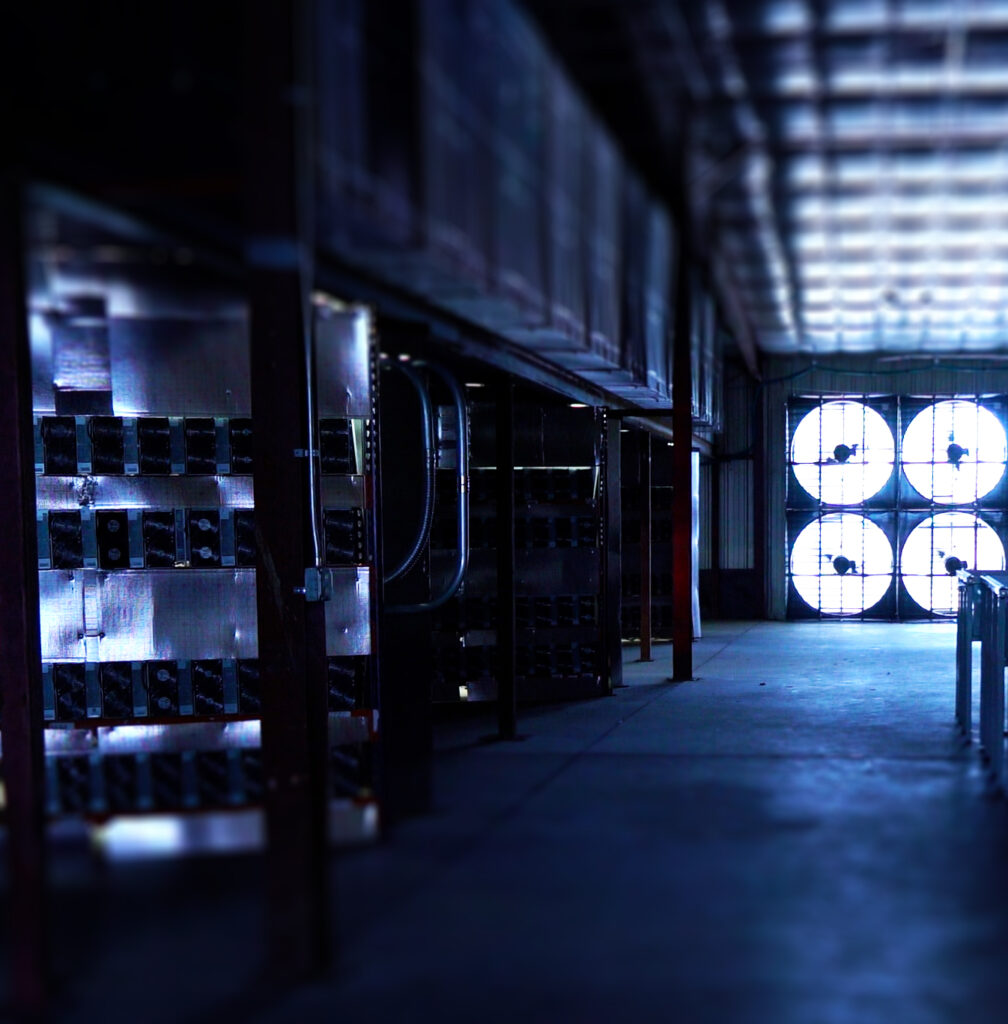
A: Bitcoin mining operations generate significant noise, mainly from cooling fans, with levels varying by cooling method:
Noise Ordinances:
- U.S./Canada: Government regulations set clear industrial noise limits
- Stricter thresholds in residential areas (~55 dB(A) safe outdoor limit)
- Industrial zones typically allow 65-75+ dB
- Some municipalities imposed tighter rules due to mining complaints
Decibel Levels by Cooling Type:
| Cooling Method | Typical Noise Level | Equivalent Sound |
|---|---|---|
| Air-Cooled (standard) | 75–90 dB per miner; 90+ dB cumulative | Very loud factory floor |
| Air-Cooled (w/ mufflers) | 70–80 dB near source | Traffic noise |
| Hydro-Cooled | ~55–65 dB near unit | Office or street conversation |
| Immersion-Cooled | ~50–60 dB (pump noise) | Background room noise |
Regulatory Compliance:
- Must stay within legal limits at property boundary
- State environmental agencies enforce standards
- Municipal permits may require noise assessment
- Proactive engagement with authorities recommended
Noise Mitigation Techniques:
- Sound barriers and acoustic panels
- Building enclosures with insulation
- Fan upgrades (larger, slower, low-noise fans)
- Proper placement and exhaust direction
- Generator mufflers and insulated enclosures
- Immersion cooling virtually eliminates fan noise
Q: What are water usage considerations across cooling systems?
A: Water consumption varies dramatically by cooling method:
Water Consumption by Cooling Type:
| Cooling Solution | Water Use | Description |
|---|---|---|
| Air-Cooled (no water assist) | Negligible | Uses only air and fans |
| Air-Cooled w/ Water Curtain | Moderate | Evaporates water to cool intake air |
| Hydro-Cooled (Closed-Loop) | Low | Water recirculates in sealed system |
| Hydro-Cooled (Cooling Tower) | High | Evaporative cooling, significant consumption |
| Immersion-Cooled (Dry Cooler) | Low | Heat transfer via closed water loop |
| Immersion-Cooled (Evaporative) | High | Heat rejected via cooling tower |
Water Usage Details:
- Air-cooled systems: Zero direct water use, but evaporative pads can use hundreds of gallons/hour on hot days
- Closed-loop systems: Minimal water loss, just make-up for minor evaporation
- Evaporative systems: ~3-4 liters per kWh of heat removed; large facilities can use 1.5M gallons/day
Water Recycling and Treatment:
- Deionized/distilled water prevents mineral scaling
- Continuous filtration and chemical treatment
- Reclamation of cooling tower blowdown
- Closed-loop systems avoid wastewater discharge
Regulatory Guidelines:
- Large withdrawals trigger permitting in many states
- Water rights/permits required for significant usage
- Discharge permits needed if water goes to rivers/lakes
- Drought restrictions can affect industrial users
- Encouraged use of reclaimed/treated wastewater
Best Practices:
- Design for water efficiency with closed-loop circulation
- Use dry cooling whenever feasible
- Partner with municipalities for treated wastewater supply
- Document water usage and recycling rates
- Plan for water scarcity and regulatory changes
Tax and Regulatory Considerations
Q: What are the tax implications of mobile Bitcoin mining?
A: Operating Bitcoin mining project involves both tax implications and regulatory requirements:
Tax Treatment of Mining Income:
- Mined Bitcoin treated as taxable income at moment received
- 1 BTC mined at $30,000 = $30,000 ordinary income to report
- Different from extracting natural resources (not taxed until sold)
- Need good records of Bitcoin mined and USD value at receipt
- Later sales create capital gain/loss relative to income basis
Business Structure and Deductions:
- Run as business entity (LLC/corporation) for liability and tax benefits
- Deduct expenses: equipment depreciation, fuel, maintenance, internet, wages
- Taxed on net profit, not gross revenue
- Pass-through vs. corporation taxation considerations
- Self-employment taxes if operating as individual
Depreciation of Equipment:
- Mining equipment considered depreciable assets
- ASIC miners typically depreciated over 5 years
- Bonus depreciation: 60% immediate write-off in 2024 (phasing out)
- Section 179 expensing: Immediate deduction up to $1M+ limit
- Example: $500K equipment might allow $300K immediate deduction
- Can create large first-year loss to offset other income
Cryptocurrency Sales and Holdings:
- Capital gains on Bitcoin held beyond mining
- Short-term (<1 year) vs. long-term (>1 year) rates
- Track cost basis from mining income recognition
- Strategic timing of sales for tax optimization
Q: What regulatory approvals are needed?
A: Multiple regulatory considerations across different agencies:
Oil & Gas Permissions:
- Permission to operate equipment on well site
- Amendment of flaring permits (reducing flared volumes)
- Beneficial use classification for gas utilization
- Compliance with lease terms and state O&G commission
Environmental Regulations:
- Air permits for generator emissions (depending on size)
- Noise ordinance compliance
- Environmental impact for multiple MW deployments
- Emissions reporting requirements
Electrical and Utility Regulations:
- Off-grid operations generally avoid utility regulations
- Grid interconnection requires extensive compliance if used
- Safety regulations for generators
- Avoid public utility commission oversight by staying off-grid
Local Permits:
- Property tax on equipment
- Site permits for structures
- Security requirements
- Zoning compliance for industrial equipment
Q: What about mineral rights and royalty issues?
A: Important contractual and legal considerations:
Royalty Considerations:
- Flared gas typically exempt from royalties (waste product)
- Question: Does using gas for Bitcoin constitute “sale” triggering royalties?
- Generally gray area depending on jurisdiction and contract wording
- Best practice: Clarify with oil producer and legally document beneficial use
Severance Taxes:
- Production taxes typically not assessed on flared gas
- “Produced and used” gas might trigger small tax
- States updating regulations to accommodate crypto mining
Lease Terms:
- Many leases encourage on-site beneficial use
- No royalty on gas used for operations
- Partner with well owner to handle value sharing through partnership
Q: What future regulatory changes should be expected?
A: Evolving regulatory landscape to monitor:
Environmental Regulations:
- Growing attention on Bitcoin mining environmental impact
- Potential reporting requirements even for beneficial flare gas use
- Possible carbon taxes or emission fees
- Credits for flare reduction programs
Tax Law Evolution:
- Potential changes to depreciation schedules
- Possible excise taxes on crypto mining energy usage
- Credits for emissions reduction activities
- State-specific crypto mining regulations
Industry Support:
- Many states encourage gas utilization over flaring
- Regulatory support for innovative waste reduction
- Integration with climate goals and emission targets
Best Practices:
- Stay engaged with industry groups for legislative monitoring
- Document emissions reduction benefits
- Maintain good relationships with regulators
- Keep comprehensive records for compliance
Conclusion
Mobile Bitcoin mining on oil & gas sites represents a significant opportunity to monetize stranded energy resources while reducing environmental waste. Success requires careful attention to:
Technical Implementation:
- Proper gas analysis and conditioning
- Appropriate generator and container selection
- Robust electrical and cooling systems
- Reliable connectivity and monitoring
Financial Planning:
- Comprehensive ROI analysis including all costs
- Multiple financing options consideration
- Risk management strategies
- Tax optimization through proper structure
Operational Excellence:
- Preventive maintenance programs
- Security and redundancy planning
- Environmental compliance
- Continuous improvement processes
Regulatory Compliance:
- Proper permitting and approvals
- Environmental and noise regulations
- Tax structure optimization
- Future regulatory adaptation
The mobile Bitcoin mining industry continues to evolve rapidly, with new technologies, financing methods, and regulatory frameworks emerging regularly. Successful operations require staying current with industry developments while maintaining focus on fundamental operational excellence.
Key Success Factors:
- Choose the right technology stack for your specific site conditions
- Plan comprehensively for both CapEx and OpEx
- Implement robust monitoring and maintenance programs
- Ensure regulatory compliance from day one
- Build redundancy into critical systems
- Maintain excellent relationships with oil operators and regulators
- Stay informed about industry and regulatory developments
By following the guidelines and best practices outlined in this comprehensive FAQ, operators can maximize their chances of building profitable, compliant, and sustainable mobile Bitcoin mining operations that benefit all stakeholders while contributing to environmental improvements through waste gas utilization.